

FedGeoDay 2026 Program - Workshops
FedGeoDay is on
April 22-23, 2026
Events will be held at Census Bureau Headquarters in Suitland, MD.
1:00 PM
Population and Geospatial Data for Risk and Resilience Analytics
1pm
Session 1– Foundational Data and Tools
Overview of data, tools, and applications available for disaster mitigation, response, and recovery.
Presenters:
Marie Urban - Oak Ridge National Labs
Current efforts in population modeling model real-time population distribution using crowd sourced data and other resources available like USA Structures.
Bethany DeSalvo – US Census Bureau, Chief, SEHSD
“Community Resilience Estimates”
The U.S. Census Bureau’s Community Resilience Estimates (CRE) measure populations vulnerable to disasters at fine geographic scales, enabling spatial analysis of vulnerability, identification of disparities, integration into risk models, and support for preparedness, mitigation, and recovery planning.
Dominic Menegus- US Dept of Transportation/Bureau of Transportation Statistics (BTS)
“Transportation Vulnerability and Resilience (TVAR) BETA Geospatial Hazard Exposure Layers”
An overview of the Beta Hazard Exposure Layers, which are national geospatial datasets that help decision-makers and practitioners assess how transportation infrastructure (like roads, bridges, and airports) is exposed to natural hazards based on modeled likelihood and historic occurrence, for regional analysis and screening and not site-specific design.
Heath Hayward- U.S. Census Bureau, Data Scientist Center for Economic Studies "OnTheMap for Emergency Management: Census Data for Disaster Event Areas"
OnTheMap for Emergency Management provides real-time mapping of U.S. population, workforce, and housing data for disaster-affected areas, delivering detailed statistics tailored to current event boundaries such as hurricanes, floods, wildfires, winter storms, and federal disaster declarations.
“Community Resilience Estimates”
The U.S. Census Bureau’s Community Resilience Estimates (CRE) measure populations vulnerable to disasters at fine geographic scales, enabling spatial analysis of vulnerability, identification of disparities, integration into risk models, and support for preparedness, mitigation, and recovery planning.
2-2:30pm - Q&A – short break
2:30pm
Session 2– Case Study – 2024 Francis Scott Key Bridge Collapse, Baltimore, MD
This session will explore how geospatial data, remotely sensed imagery, and a variety of transportation and demographic statistics were used in the Francis Scott Key Bridge Collapse response.
Presenters:
Miles Weule US Dept of Transportation/Bureau of Transportation Statistics (BTS)
An overview of BTS' response to the 2024 Francis Scott Key Bridge Collapse, highlighting data products, analysis, visualizations, and information dissemination.
CDR Casey Marwine NOAA, Chief, Requirements Branch, Remote Sensing Division The value of mapping perspectives from the FSK Bridge collapse response, utilizing high resolution aerial imagery and hydrographic data to reopen a major waterway
Chase Sawyer – Statistician, SEHSD, US Census Bureau
After the collapse of the Francis Scott Key Bridge in Baltimore, ACS residence to workplace commuting data was combined with road network routing analysis to identify affected commuters, filling a key gap in person-level impact insights, supporting FEMA and informing regional response efforts.
1:00 PM
Federal Geodetic Control Subcommittee Meeting: Update on National Spatial Reference System Modernization Tools and Models
Agenda:
MC: Galen Scott
Time
1:00 - 1:05 pm
Welcome - Marian Westley
1:05 - 1:15 pm
Introduction - Daniel Roman
1:15 - 1:35 pm
Definitional Products - Dru Smith
Terrestrial Reference Frames
North American Pacific Geopotential Datum of 2022 (NAPGD 2022)
State Plane Coordinate System 2022 (SPCS 2022)
1:35 - 1:45 pm
Maintenance of NSRS - Dru Smith
Reference Epoch Coordinates (REC’s)
Continuously Operating Reference Stations (CORS)
Intraframe Deformation Model (IFDM)
1:45 - 2:00 pm
Q&A
2:00 - 2:15 pm
Break
2:15 - 2:45 pm
Demo: Data Delivery System - Brian Shaw
NGS Map
Geodetic Marks Pages
Geodetic Station Pages
2:45 - 3:30 pm
Demo: Online Positioning User Service (OPUS) - Dan Gillins
3:30 - 4:00 pm
Demo: NGS Coordinate Conversion and Transformation Tool (NCAT) - Brian Shaw
4:00- 4:15 pm
Break
4:00 - 5:00 pm
Q&A - Discussion - Daniel Roman
1:00 PM
GeoServer 3 Introduction and Federal Earth Observation Use Cases
Presenters: Andrea Aime
This session provides an overview of GeoServer 3, featuring a guided tour of its updated user interface and key capabilities for serving and managing geospatial data.
Attendees will explore real-world use cases in maritime security and earth observation, highlighting how GeoServer supports mission-critical data dissemination.
The session also introduces modern standards and technologies, including OGC APIs and vector tiles, enabling more efficient and flexible data access. In addition, it will touch on GeoServer Cloud and how cloud-native deployments are shaping scalable geospatial infrastructures.
Led by GeoServer core developer Andrea Aime, the session will conclude with an open discussion and Q&A.
1:00 PM
World Cafe: A Working Session on Living Data Stewardship for Critical Infrastructure
Facilitators: Rajan Desai, Puneet Kollipara, Jeremy Herzog, Jessi Breen, Jennifer Sims
This session examines what it takes to keep critical infrastructure datasets current, credible, and discoverable over time using the HIFLD Open dataset collection as a case study and common frame of reference.
Using a World Café format, participants will rotate through three facilitated tables, each anchored by a subject matter expert who depends on public data as a consumer, navigator, or builder. Each table tackles a distinct, practical challenge of community centered data stewardship: What does it take for a community-maintained dataset to be credible, accessible, and open to community contributions? What governance and funding structures can make community maintained data stewardship sustainable? How can community centered data stewardship increase the usability and accessibility of public data?
Rather than presenting solutions, the session is designed to surface what attendees already know in order to identify where coordinated action might close the gaps. Participants will leave with a better informed picture of the stewardship landscape, direct connections to peers working on adjacent problems, and a shared context for what comes next.
Who this is for:
This session is designed for data stewards, data managers, emergency planners, GIS practitioners, open data contributors, and technologists who directly depend on public critical infrastructure data or service communities that depend on this data. Familiarity with HIFLD Open or related federal datasets is helpful but not required.
Agenda:
Introduction, light background on HIFLD and explanation of format (5 min)
Guided small table discussions facilitated by an SME (see facilitators above) (40 min)
Full-room synthesis and discussion (15 min)
5:00 PM
Adjourn
FedGeoDay Venue
U.S. Census Bureau Headquarters
4600 Silver Hill Rd, Suitland, MD 20746
Presenters
-

Andrea Johnson
Deputy Division Chief
U.S. Census Bureau’s Geography Division -
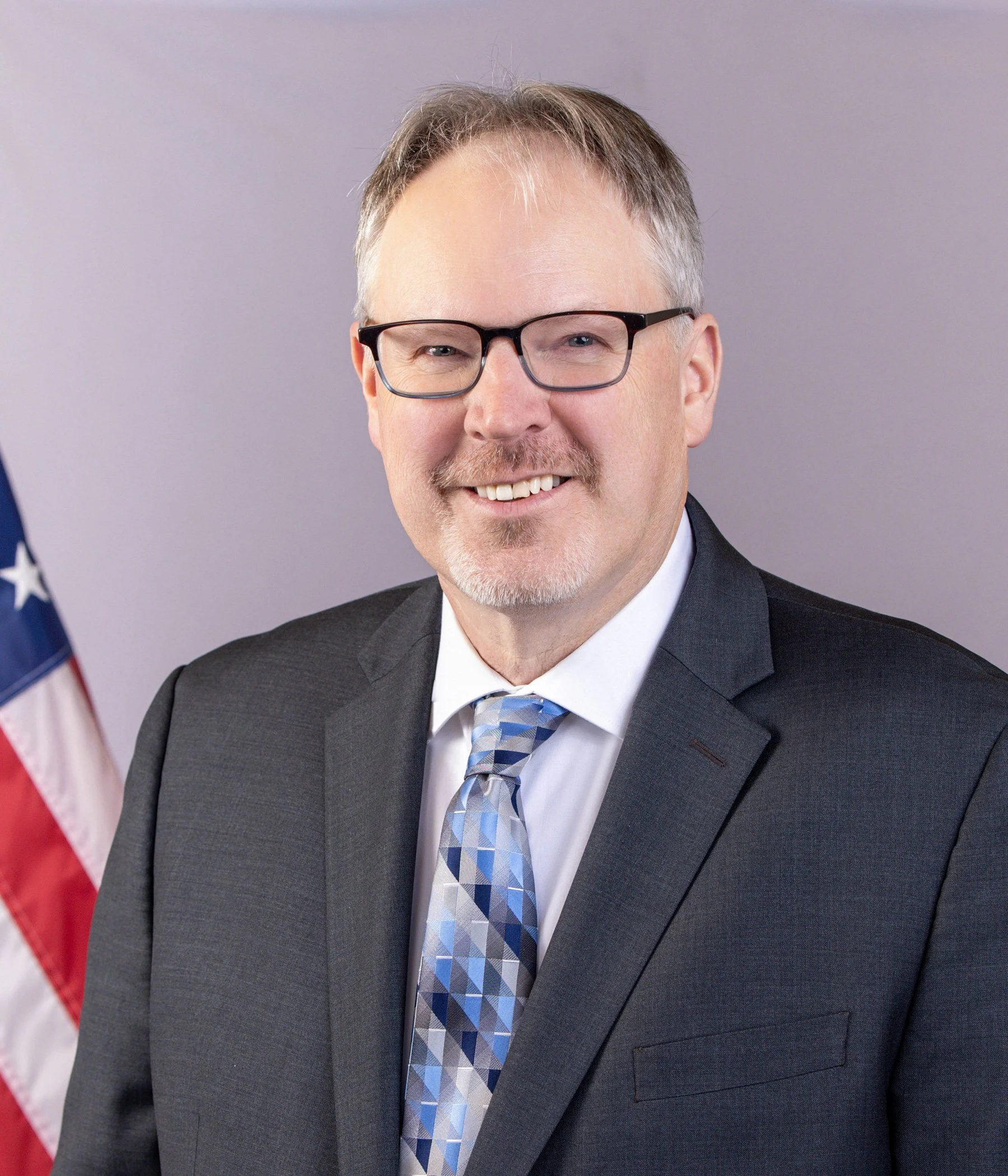
Dr. Ron Jarmin
Deputy Director
U.S. Census Bureau -
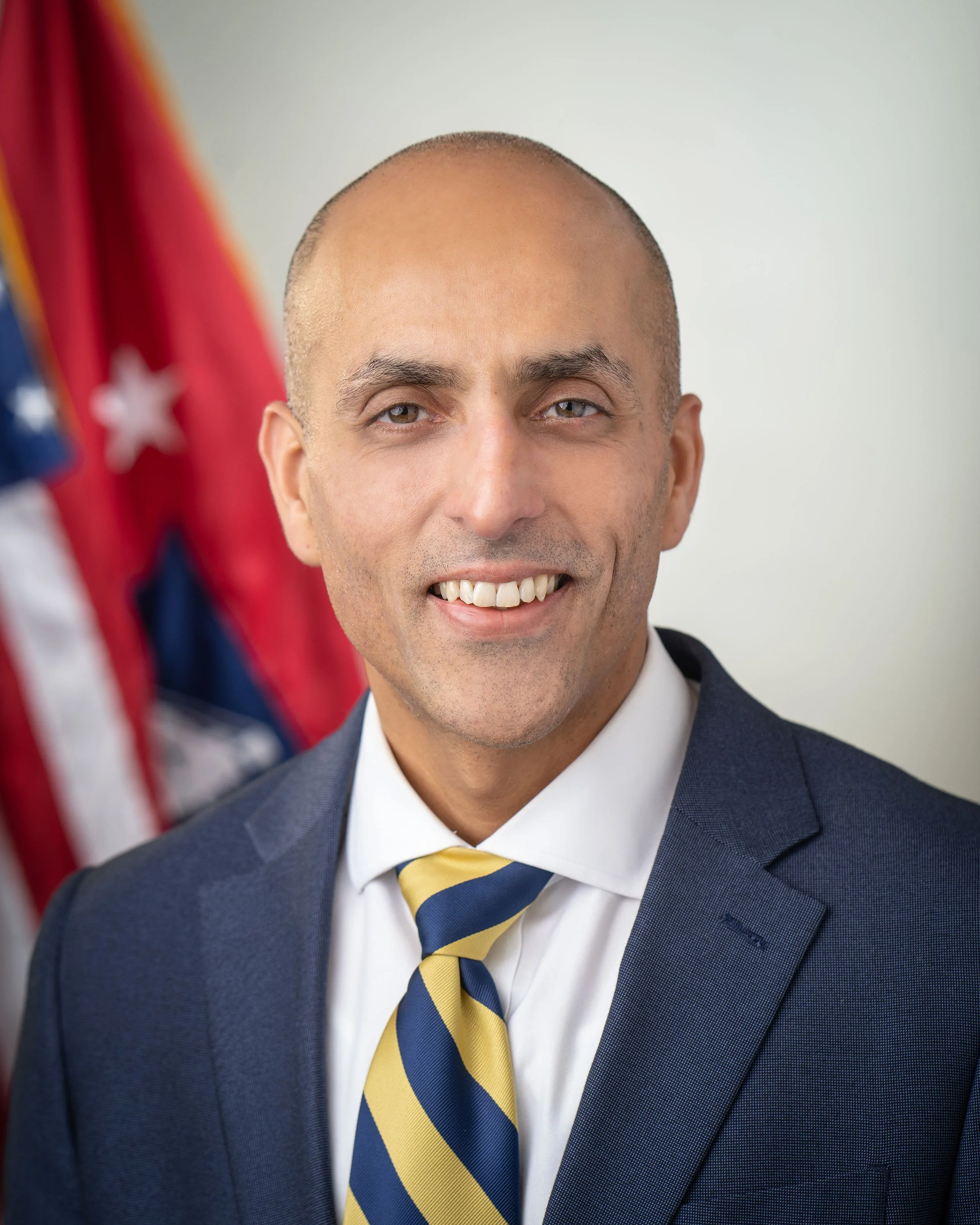
Dr. Vipin Arora
Director
Bureau of Economic Analysis -
Bill Wiatrowski
Deputy Commissioner
Bureau of Labor Statistics -
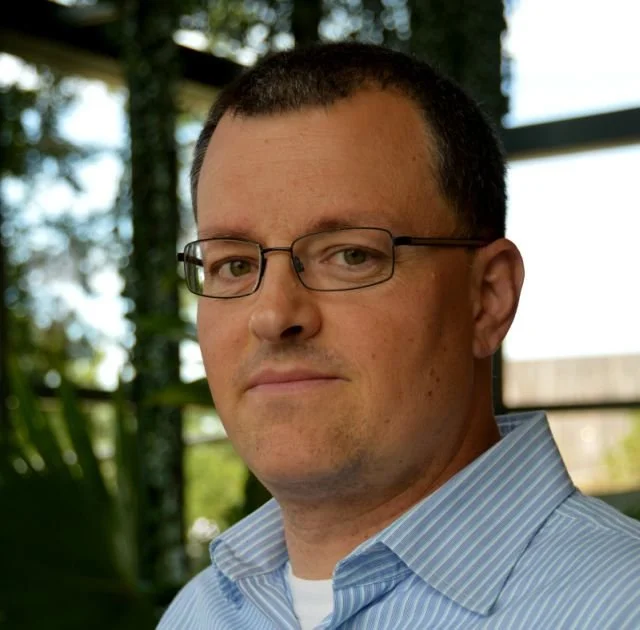
Josh Coutts
Branch Chief
U.S. Census Bureau -
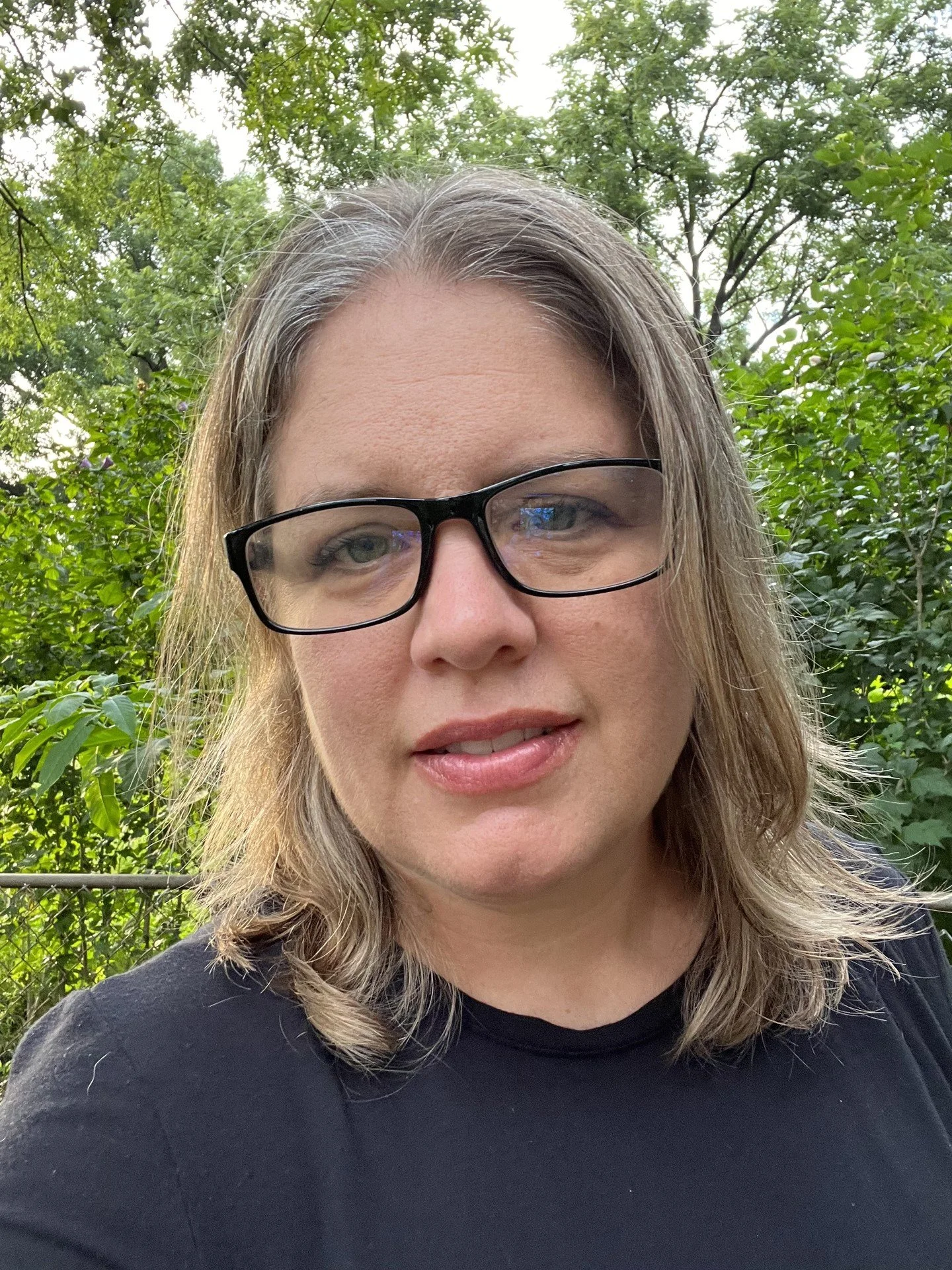
Bethany DeSalvo
Senior Demographic Statistician
U.S. Census Bureau
-

Kyle Hood
Chief, Research Analysis Group
Bureau of Economic Analysis
-

Anya Stockburger
Branch Chief
Bureau of Labor Statistics
-
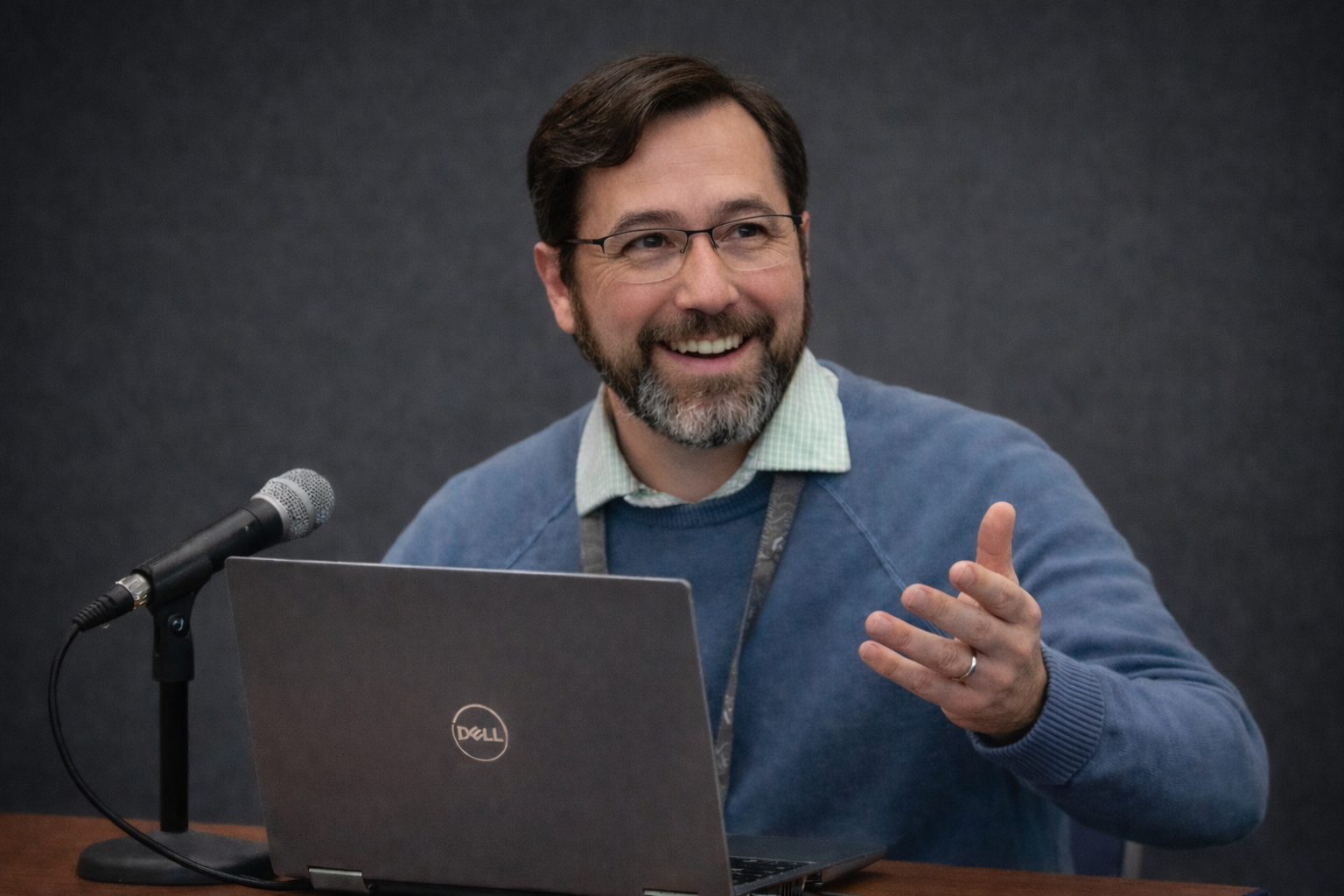
Jesse Osborne
Data Scientist
NAPSG -
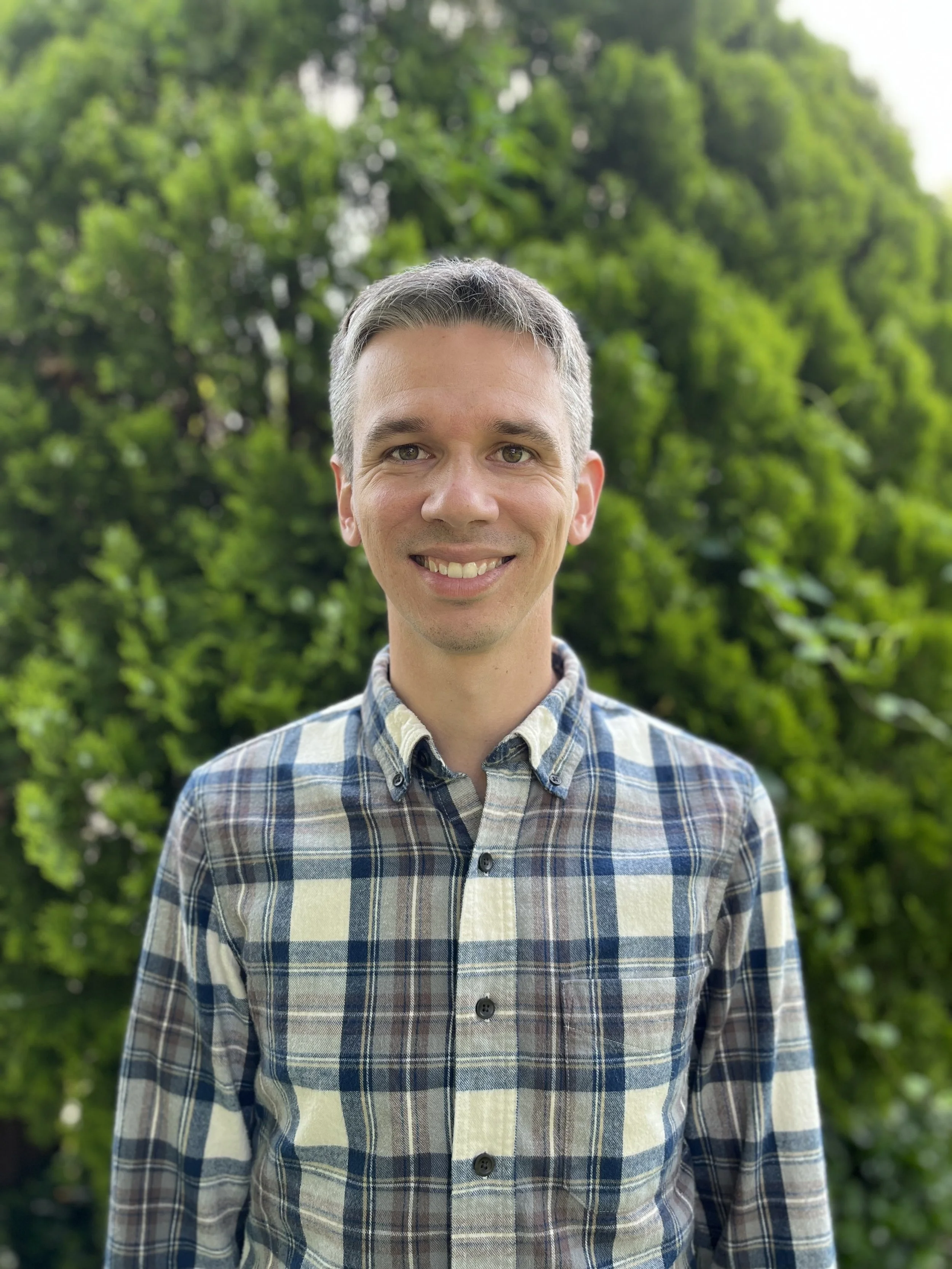
Reed Van Beveren
Deputy Director of Technology
Environmental Policy Innovation Center
-
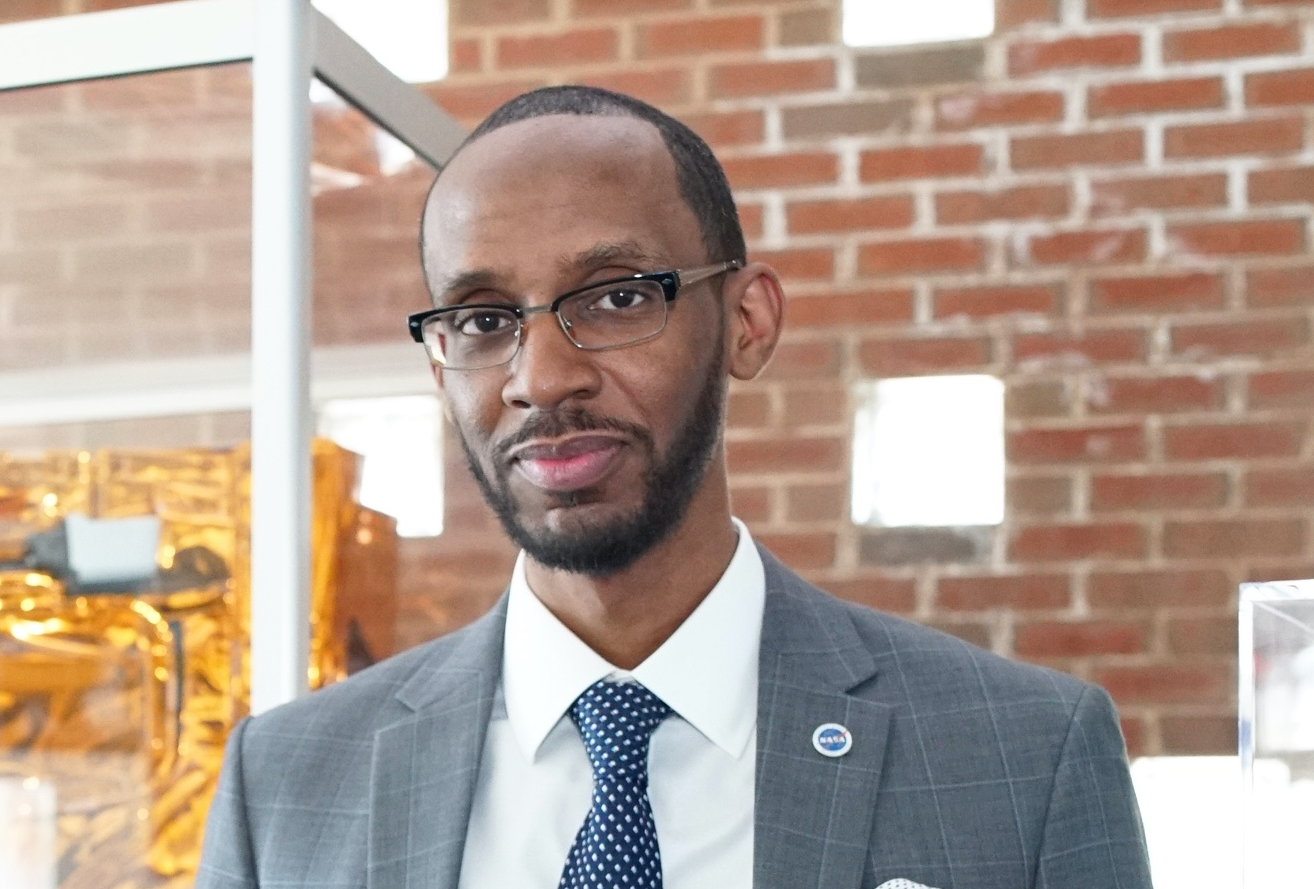
Justin Rice
Deputy Manager of the ESDIS Science Systems Development Office
NASA
-

Jaymes Cloninger
CEO
Motivf
-

Hector Ferronato
VP of Engineering and Geospatial
Reveal Global Consulting
-
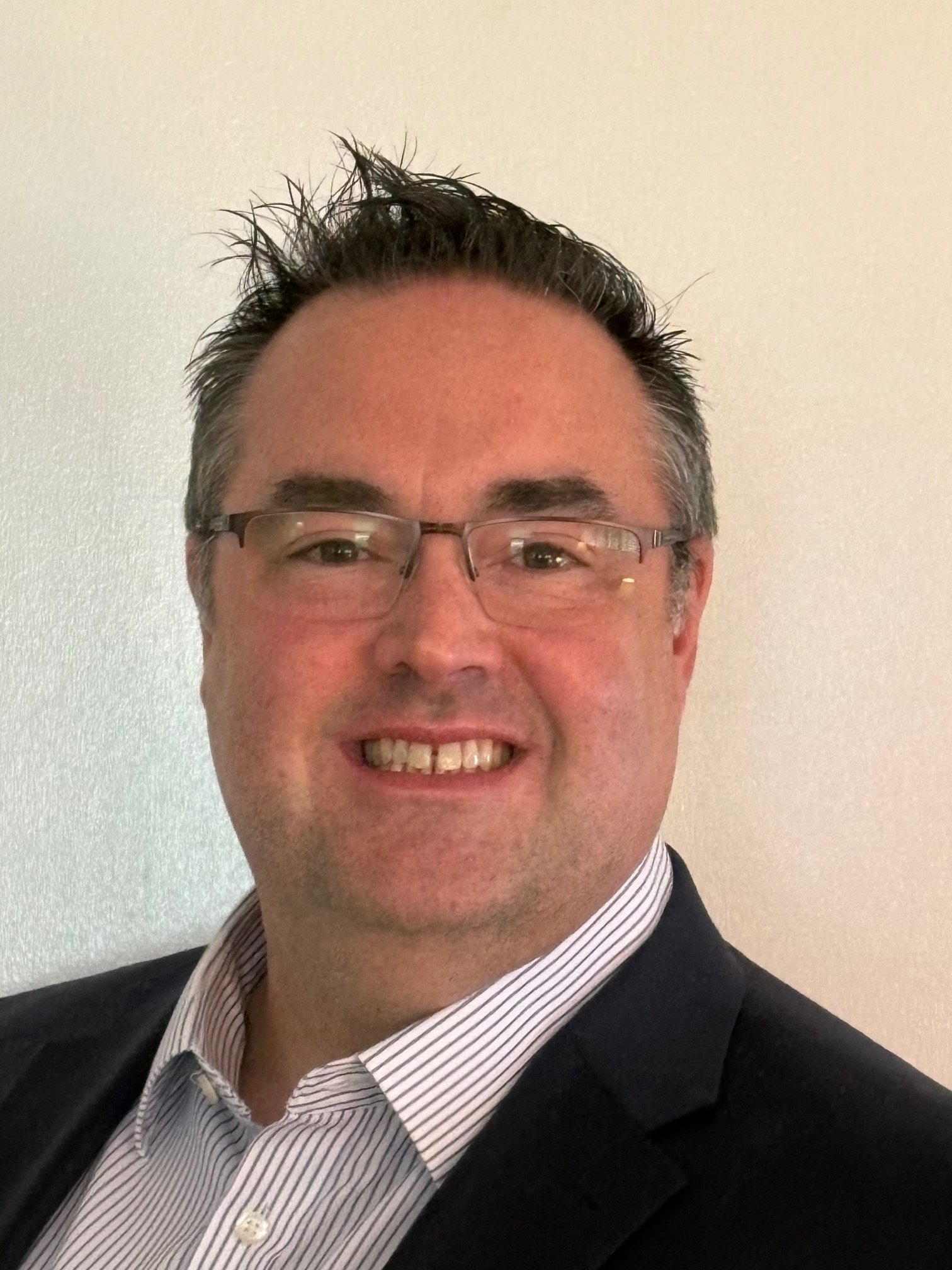
Greg Hanks
Senior Technical Project Manager
Imagine Believe Realize, LLC (IBR)
-

Ghermay Araya
Founder and CEO
New Light Technologies, Inc. (NLT)
-

Dr. Dan Roman
Senior Advisor for Geodesy
NOAA
-
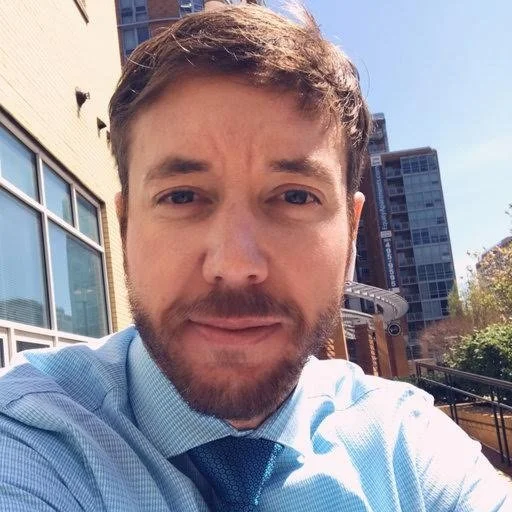
Dr. Dan Gillins
Chief of the Observation and Analysis Division
NOAA
-
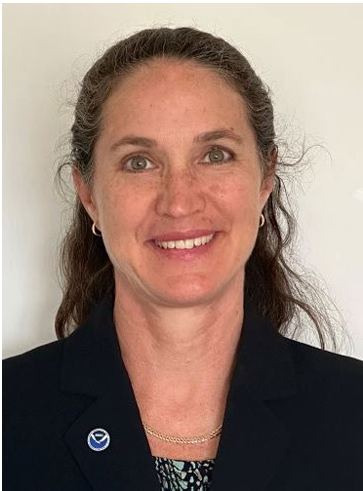
Dr. Marian Westley
Director, Center for Operational Oceanographic Products and Services
NOAA
-

Dr. Dru Smith
NSRS Modernization Manager
NOAA
-
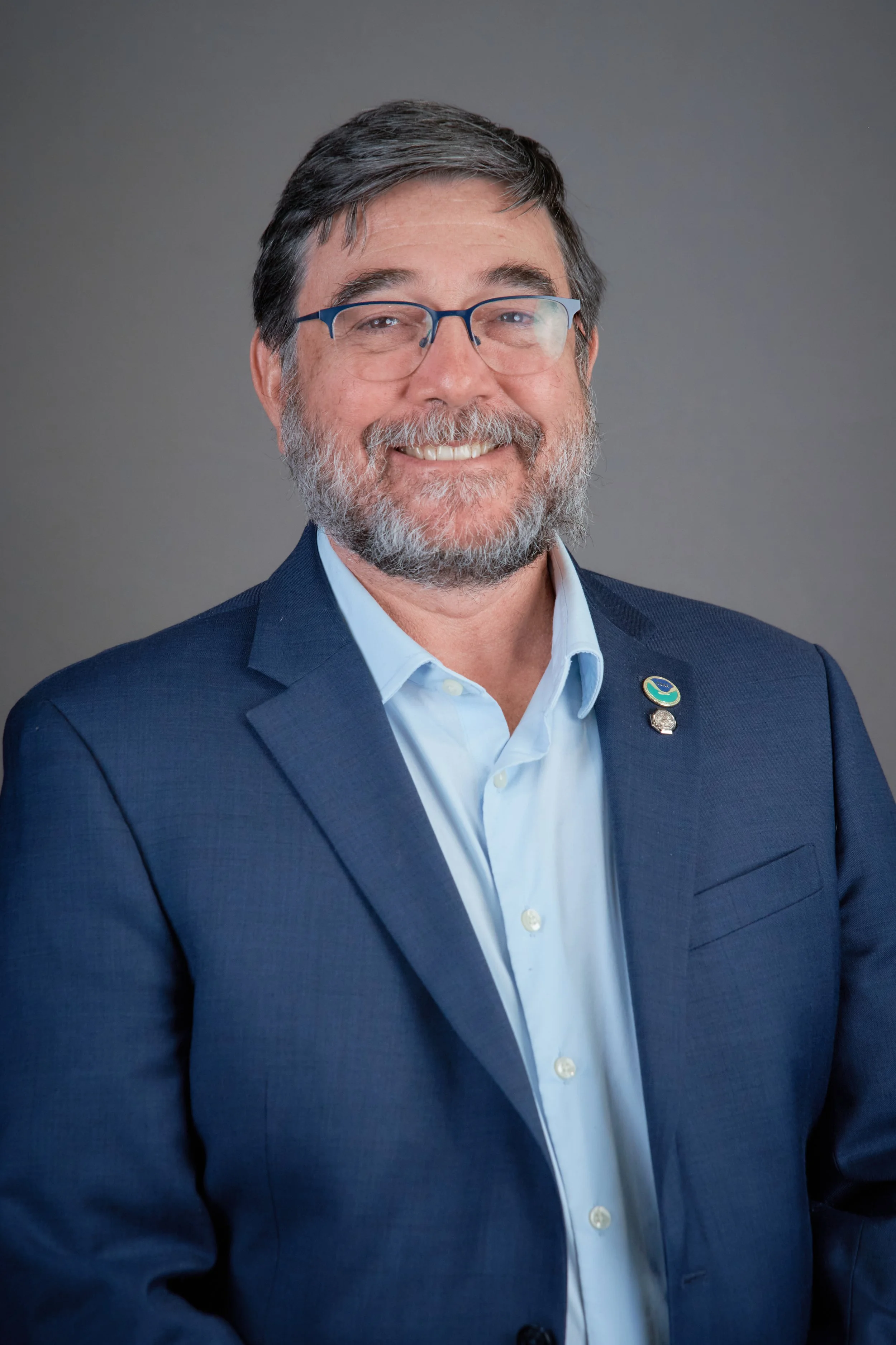
Galen Scott
NGS Constituent Manager
NOAA
-
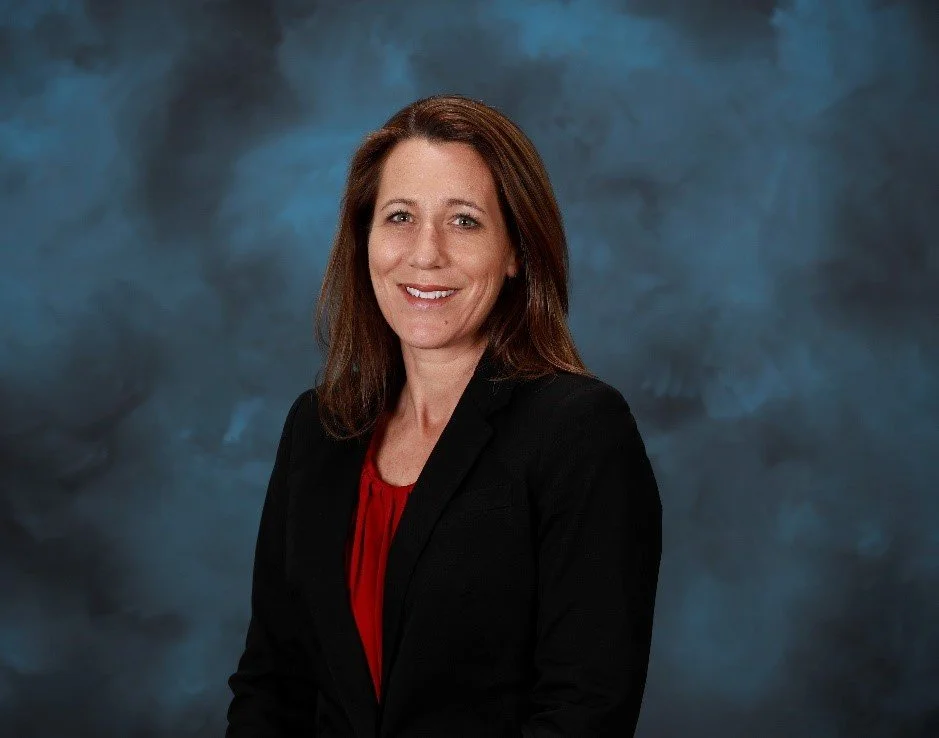
Marie Urban
Lead, Human Geography Group
ORNL
-

Frank Donnelly
Head of GIS & Data Services
Brown University Library
-

Puneet Kollipara
Independent Geospatial Data Science & Outreach Consultant
-

Andrea Aime
Technical Lead
GeoSolutions